Agartala, October 28: Tipra Motha founder Pradyot Kishore Manikya Debbarma on Wednesday reiterated that the implementation of the Tiprasa Accord remains the central issue in his discussions with the state leadership, asserting that the indigenous people of Tripura must receive their constitutional rights.
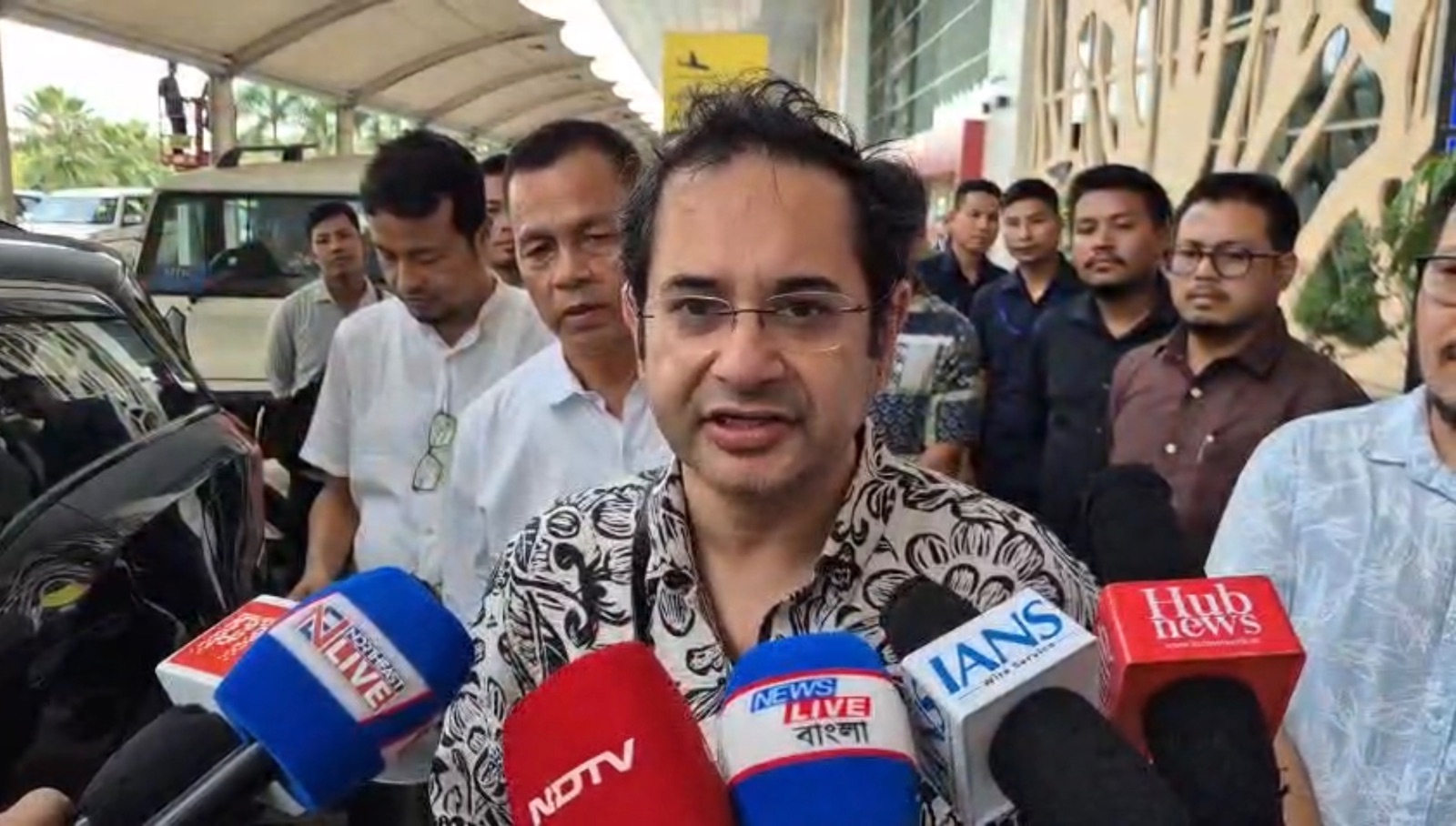
Speaking to reporters at Maharaja Bir Bikram (MBB) Airport in Agartala, Debbarma said the long-pending agreement must be implemented after years of waiting and recalled that assurances had been given before the Village Committee elections that the accord would be implemented.
“There is only one issue: the implementation of the Tiprasa Accord. If the Tiprasa Accord is implemented, it will be good for the state of Tripura,” he said.
Debbarma stressed that securing constitutional rights for the Tiprasa people remained his responsibility, irrespective of his future in electoral politics.
“I may not be in politics anymore, but it is my duty to ensure that my people, our people, get their constitutional rights,” he said, adding that the implementation of the accord would be the logical conclusion of the ongoing discussions.
He further said his decision to step away from active politics would allow him to speak more freely about the future of the next generation.
TTAADC expansion before Diwali?
Responding to a question about the proposed expansion of the Tripura Tribal Areas Autonomous District Council (TTAADC), Debbarma indicated that it could take place before Diwali.
“Yes, before Diwali. I think so,” he said, while referring to Chief Minister Manik Saha’s presence in connection with the discussions. He added that the decision rested with the concerned leadership and clarified that he was no longer involved in taking political decisions.
His remarks come amid renewed efforts to advance the Tiprasa Accord, signed in March 2024 between the Centre, the Tripura government and Tipra Motha. The agreement addresses long-standing concerns of the state’s indigenous population, including political and land rights, identity, culture, language and economic development.
The implementation of the accord has remained a key issue in Tripura’s tribal politics, with Debbarma repeatedly urging the authorities to translate their assurances into concrete action. The state government had also indicated earlier this year that the implementation process would be pursued following the Village Committee elections.
While Debbarma’s latest remarks have renewed attention on the accord and the proposed TTAADC expansion, he did not announce a confirmed implementation schedule or disclose details of any final decision on the council’s expansion.