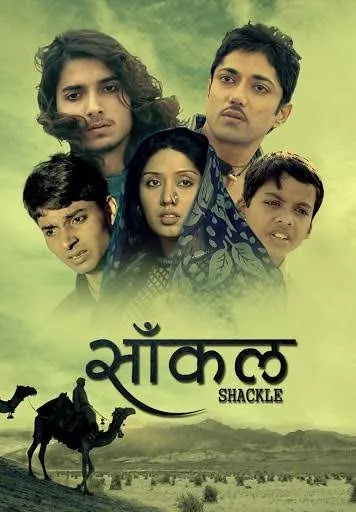
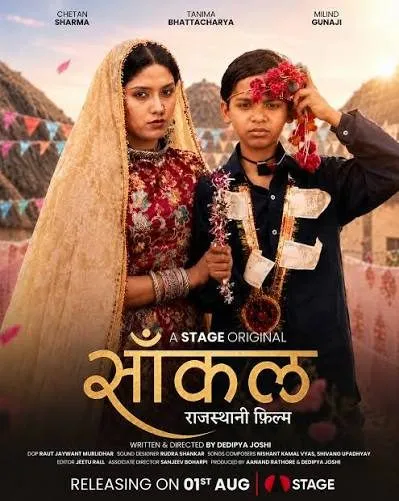
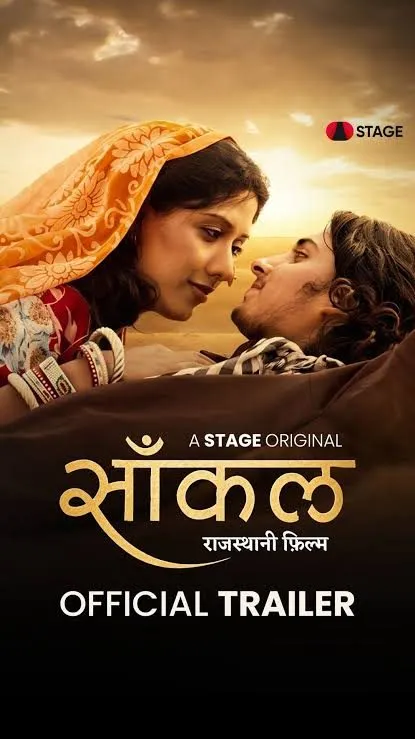
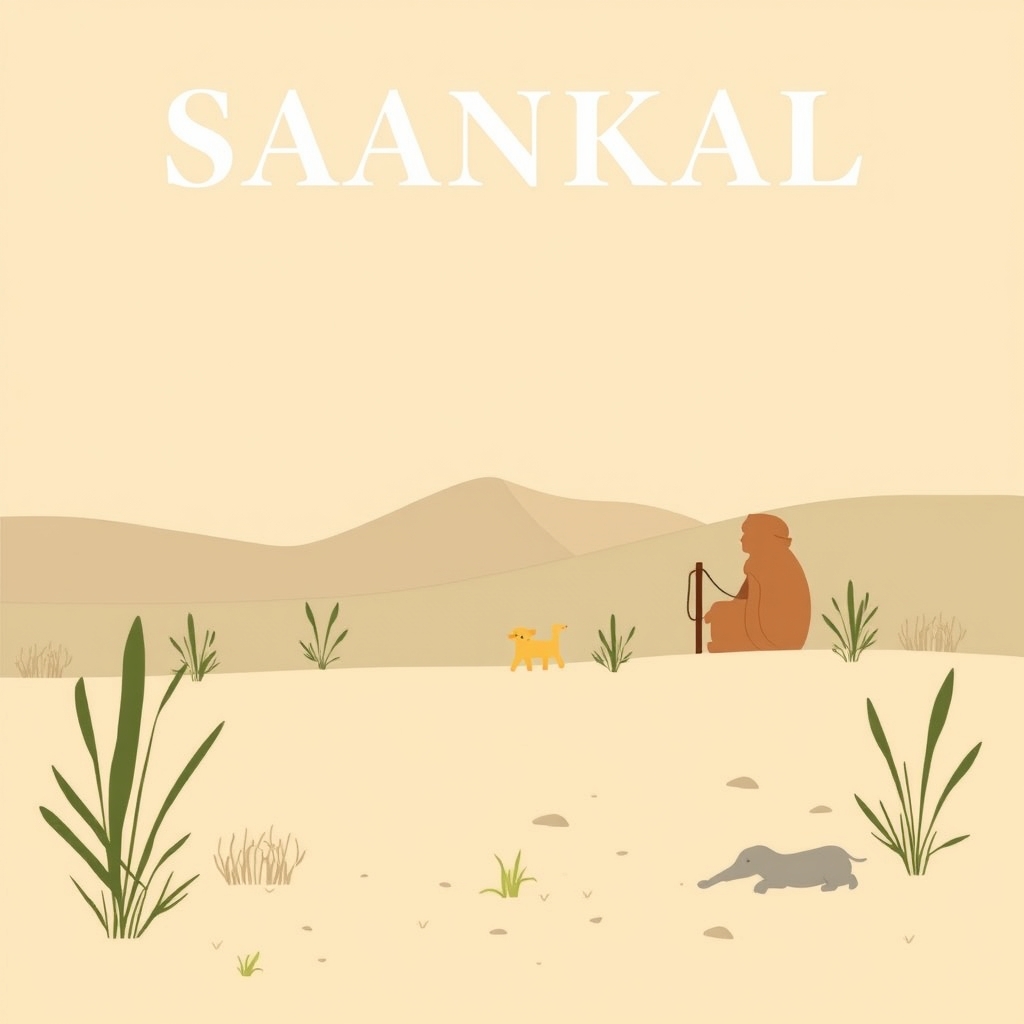
Some stories are made to entertain, while others are born to expose the wounds society has buried for generations. Saankal is one such story a haunting reminder that the chains of tradition can sometimes be stronger than the walls of a prison. In the vast, sun-scorched landscapes of Rajasthan, where traditions have shaped generations and social customs have often dictated the course of human lives, a deeply disturbing story once emerged from a small village in Jaisalmer. Years later, that story found its way onto the silver screen as Saankal (Shackle), a Hindi social drama written and directed by Dedipya Joshii. What began as an attempt to bring an uncomfortable social reality before the world has gradually transformed into a film with international recognition. At the heart of Saankal lies a horrifying practice rooted in the obsession with preserving so-called blood purity. In certain communities, restrictions on women marrying outside their community created an unusual and deeply disturbing situation: young girls and women were forced into marriages with boys much younger than themselves. The film follows the painful lives of Kesar and Abeera, whose relationship becomes a reflection of a society where individual choices, childhood and dignity are sacrificed at the altar of outdated customs. An eleven-year-old boy and a twenty-six-year-old woman become victims of a system neither of them created, yet both are forced to endure. What makes Saankal particularly heartbreaking is not simply the tragedy of its characters, but the silence surrounding their suffering. Behind every ritual lies a human being; behind every social rule, a life that deserves freedom. A child who should have been playing with dreams is burdened with responsibilities he cannot understand, while a woman who deserves the freedom to choose her future is trapped in a life decided by others. The film forces audiences to confront an uncomfortable question: when does tradition stop being a cultural identity and start becoming a form of oppression? Now, the film is experiencing a renewed chapter through STAGE, the regional OTT platform that is bringing Rajasthan's stories to a wider audience. Its renewed digital presence is more than a release on a streaming platform; it is an opportunity for a forgotten story to find new viewers, new conversations and a new generation willing to listen. What once struggled for visibility is now reaching audiences across different parts of the country.Ultimately, Saankal is not merely a film about an unusual marriage or an unfamiliar tradition. It is about stolen childhoods, silenced women and the devastating consequences of a society that sometimes values its customs more than its people. Its journey from a forgotten social reality to international film festivals and now a renewed digital platform carries a message of its own: a story may remain unheard for years, but truth has a way of finding its audience.
SAANKAL: A Story Born in the Sands of Rajasthan, Now Echoing Across Borders — The Painful Tale That Refuses to Be Forgotten
From an overlooked social reality in Rajasthan to international film festivals and a renewed digital release on STAGE, ‘Saankal’ is a reminder that a story rooted in one village can touch hearts across the world.
Photos (3)